How Early Booking Helps Secure Your Spring Landscaping Project in Dartmouth

February 10, 2026

When to Book Your Spring Landscaping Project in Dartmouth

As winter begins to fade, many homeowners start thinking about refreshing their outdoor spaces. In Dartmouth, spring landscaping season fills up quickly, and waiting too long can lead to delays, limited options, or missed opportunities. Booking your landscaping project early is one of the smartest ways to make sure your yard is ready to enjoy as soon as warmer weather arrives.

Spring Is the Busiest Season for Landscaping

Spring is the busiest time of year for landscaping and hardscaping companies in Nova Scotia. By February and March, many schedules are already filling up as homeowners plan ahead for the upcoming season. Once the ground begins to thaw, demand increases quickly for new lawns, garden beds, patios, walkways, and drainage improvements.

Homeowners who wait until April or May may find that preferred dates are no longer available. Booking early helps secure a spot on the schedule and ensures your project can begin at the ideal time.

Better Planning Leads to Better Results

Early booking allows time for proper planning and thoughtful decision making. Instead of rushing choices later in the spring, homeowners who plan in February or March can clearly define their goals, explore design options, and choose materials that suit both their property and Dartmouth’s coastal climate.

This planning phase is essential for long lasting results. Proper grading, drainage solutions, and layout decisions are much easier to address when there is time to plan carefully rather than rushing to meet tight timelines.

Improved Access to Materials

As spring progresses, popular landscaping materials can become harder to source. Items such as interlocking pavers, natural stone, soil blends, and specific plants are often in high demand. Early booking helps ensure access to the materials you actually want instead of settling for what is available later in the season.

For hardscaping projects, material availability plays a major role in both appearance and durability. Choosing materials early helps maintain consistency and quality throughout the project.

More Flexible Scheduling

When a project is booked early, landscapers can plan work around optimal weather and soil conditions. Lawns establish more successfully, plants root more effectively, and hardscaping installations can move forward without unnecessary interruptions.

Late bookings often result in tighter schedules and longer project timelines due to weather delays and high demand. Early scheduling creates a smoother experience from start to finish.

Peace of Mind for the Season Ahead

One of the greatest benefits of early booking is peace of mind. When spring arrives, your project is already planned and scheduled. Instead of scrambling to find availability, you can focus on enjoying the season knowing your outdoor space is on its way to being transformed.

Start Early and Enjoy Your Yard Sooner

Booking your landscaping project early, especially in February or March, sets the foundation for success. With better planning, improved material access, and a reliable schedule, your Dartmouth property will be ready to shine throughout the spring and summer.

If you are thinking about improving your outdoor space this year, now is the perfect time to start planning.

You might also like
May 21, 2026
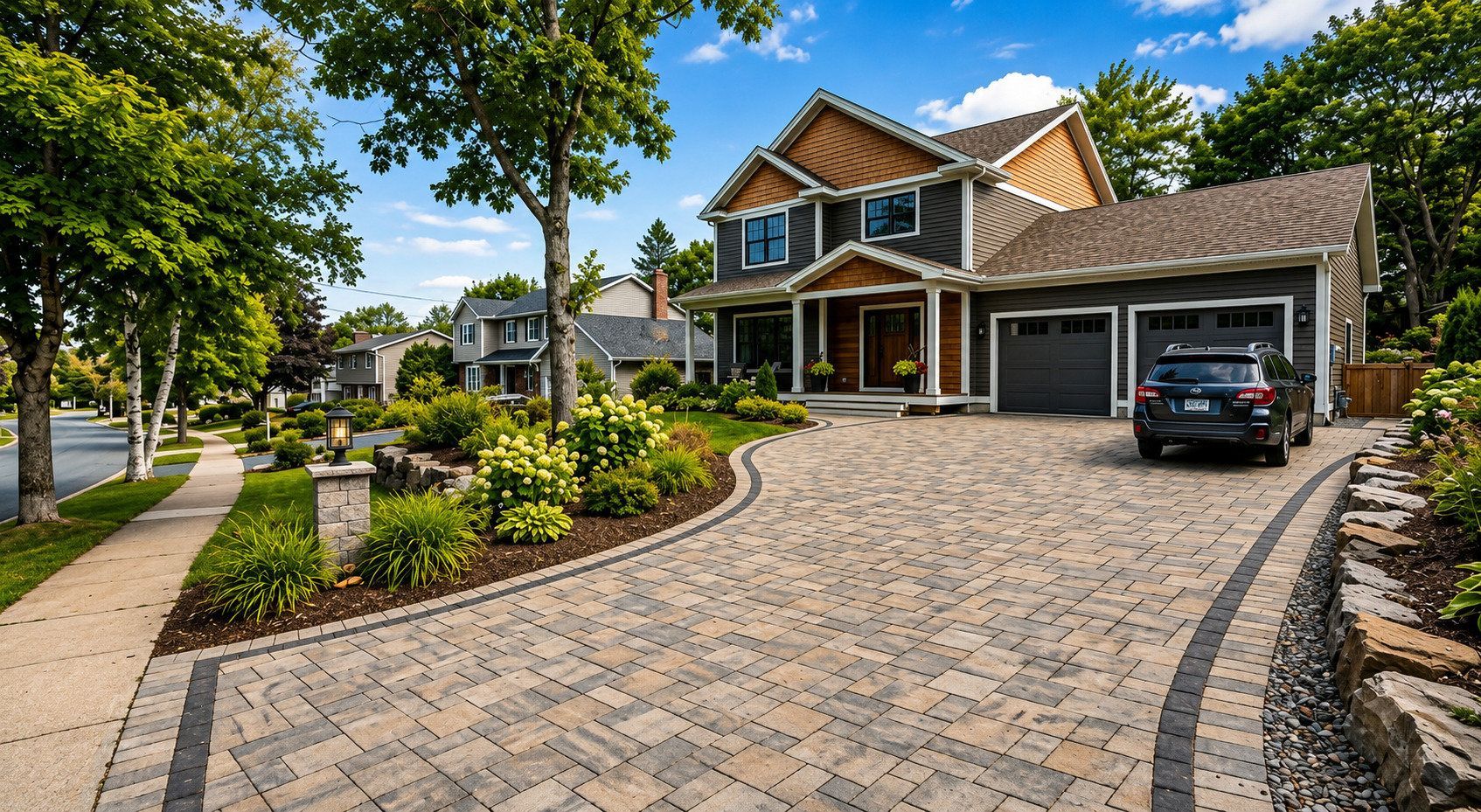
Start the Season Right with a New Interlock Driveway in Dartmouth
September 6, 2024
Transforming your outdoor space doesn’t have to be a daunting, time-consuming endeavor. With a little planning and some elbow grease, you can achieve noticeable improvements in just a weekend. Here are some landscaping projects you can complete in two days or less to refresh your yard and enhance your home’s curb appeal. Create a Garden Path A garden path is both functional and aesthetically pleasing, guiding visitors through your garden while adding structure and charm. To install a simple path, start by marking the desired route with string or a garden hose. Clear the area of grass and debris, then lay down a weed barrier fabric. Choose from materials like gravel, stepping stones, or pavers. Arrange your chosen material according to your design, ensuring a level and stable surface. This project can dramatically improve the flow and accessibility of your outdoor space. Build a Raised Garden Bed Raised garden beds are an excellent way to grow vegetables, herbs, or flowers with less effort and improved soil drainage. To build one, select a sunny spot in your yard. Gather materials such as treated lumber, concrete blocks, or recycled bricks. Construct a rectangular or square frame to your desired size, securing the corners with screws or brackets. Fill the bed with a mix of compost and topsoil, and you’re ready to plant. Raised beds are not only functional but also reduce the need for bending over, making gardening more comfortable. Install a DIY Fire Pit A fire pit is a wonderful addition to any backyard, providing warmth and a focal point for gatherings. To create a simple fire pit, dig a shallow hole in a level area of your yard. Line the hole with gravel to promote drainage, then arrange a circle of fire-resistant bricks or stones around the edge. Ensure the structure is level and stable. For added safety, surround the fire pit with gravel or a non-flammable material. This project adds a cozy touch to your outdoor space and can be enjoyed year-round. Refresh Your Flower Beds Revamping your flower beds can make a significant impact on your garden’s appearance. Begin by removing weeds, dead plants, and debris from existing beds. Loosen the soil with a garden fork or tiller, then mix in compost or well-rotted manure to enrich it. Choose new plants that complement your garden’s color scheme and light conditions. Arrange them according to their height and spread, then plant and water thoroughly. Adding a layer of mulch helps retain moisture and suppress weeds, giving your flower beds a polished look. Build a Simple Privacy Screen If you’re looking for a quick way to add privacy and style to your yard, consider building a simple privacy screen. Use wooden lattice panels or bamboo fencing to create a decorative and functional barrier. Secure the panels to sturdy posts set in the ground, or attach them to an existing fence. To enhance the look, plant climbing vines or shrubs around the screen. This project can create a secluded area for relaxation or outdoor dining. Upgrade Your Lawn A lush, green lawn is the foundation of a beautiful yard. To give your lawn a quick upgrade, start by mowing it at the correct height for your grass type. Next, use a garden fork to aerate the soil, which helps improve air and water penetration. Apply a balanced fertilizer to promote healthy growth. If your lawn has bare spots, overseed with a suitable grass seed blend - or if your yard is completely bare in some areas, consider installing sod. Finally, give your lawn a thorough watering to encourage new growth. This simple maintenance can revive a tired lawn and enhance your yard’s overall appearance. Add a Container Garden Container gardening is a versatile way to add greenery and color to your outdoor space. Choose a variety of pots and containers in different sizes and styles. Fill them with a mix of potting soil and compost, then plant herbs, flowers, or small shrubs. Arrange the containers on patios, decks, or along pathways for an instant garden upgrade. Container gardens are also ideal for small spaces or for adding greenery to areas with poor soil conditions. These weekend landscaping projects can rejuvenate your outdoor space, making it more functional and visually appealing. With a little planning and effort, you can enjoy a refreshed garden and improved curb appeal in no time. So grab your tools, gather your materials, and get started on transforming your yard into the perfect outdoor retreat. And if you like these ideas but don't have the skills or tools to implement them yourself, call our landscaping experts for a helping hand!
September 6, 2024
Creating a sustainable outdoor living space isn't just a trend — it's a vital step toward reducing your environmental footprint and enhancing your home and community. By making mindful choices, you can transform your yard into a haven that supports local wildlife, conserves resources, and contributes to a healthier planet. Here are a few tips to help you get started on your journey toward a more sustainable backyard. Embrace Native Plants Native plants are the cornerstone of a sustainable garden. They are adapted to your local climate and soil, requiring less water, fertilizers, and pesticides compared to non-native species. By planting varieties that naturally thrive in your area, you'll attract local pollinators such as bees and butterflies, which are crucial for maintaining biodiversity. Research which native plants are suitable for your region and incorporate them into your garden design for a vibrant, low-maintenance landscape. Implement Water-Saving Techniques Water conservation is a key component of a sustainable backyard. Start by installing a rain barrel to capture rainwater from your downspouts. This harvested water can be used to irrigate your garden, reducing your reliance on municipal water supplies. Additionally, consider incorporating drip irrigation systems that deliver water directly to the plant roots, minimizing evaporation and runoff. Mulching your garden beds helps retain soil moisture, reducing the need for frequent watering. If erosion is a problem, consider having your yard graded to improve water retention and absorption. Create a Composting System Composting is an excellent way to reduce waste and enrich your soil. By composting kitchen scraps, yard clippings, and other organic materials, you can create nutrient-rich compost that enhances soil fertility. This reduces the need for synthetic fertilizers, which can be harmful to the environment. Set up a compost bin or pile in a convenient location in your yard and turn it regularly to speed up the decomposition process. Over time, you’ll produce valuable compost that can be used to nourish your plants and garden beds.  Foster Biodiversity with Wildlife-Friendly Features Encouraging wildlife in your backyard not only supports local ecosystems but also adds beauty and interest to your garden. Create habitats by adding birdhouses, bat boxes, and bee hotels to provide shelter for various species. Planting a diverse range of plants, including flowering plants, shrubs, and trees, offers food and refuge for wildlife. Avoid using chemical pesticides and herbicides, as these can harm beneficial insects and wildlife. Instead, use natural pest control methods such as introducing predatory insects or using organic sprays. Opt for Sustainable Landscaping Practices When planning your landscape, choose materials that have a lower environmental impact. For instance, opt for permeable pavers or gravel instead of concrete for walkways and patios to allow water to filter through and reduce runoff. Incorporate hardscaping elements made from recycled materials or sustainably sourced wood. Additionally, consider replacing traditional lawns with ground covers or alternative grasses that require less water and maintenance. When hiring a landscaping contractor, choose a company like Dartmouth Landscaping that makes sustainability a priority! Reduce, Reuse, and Recycle Incorporate the principles of reducing, reusing, and recycling into your backyard projects. Repurpose old furniture or building materials to create unique garden features or structures. Use recycled materials for garden beds, fences, or trellises. By minimizing waste and making thoughtful choices, you can create a more sustainable and resource-efficient backyard. Creating a sustainable backyard is a rewarding endeavor that benefits both the environment and your well-being. By making thoughtful choices about plants, water use, waste management, and materials, you can develop an outdoor space that is both beautiful and eco-friendly. Start small, and over time, your efforts will contribute to a healthier, more sustainable planet.

Get a FREE quote!

Contact Us